




by Steve Diller, Nathan Shedroff, Darrel Rhea

Follow this link to find out more about this book.
The writers of this excerpt believe that design identifies and builds value based on a deep understanding of customer needs. This applies to decisions of appearance (such as color, typeface, material, and form), but also to levels of performance (such as process, workflow, interaction, and experience). And it applies at the business level, too, including corporate strategy, structure, process, and goals. Design techniques offer businesses ways to identify customer needs and desires specifically and address them through products, services, and events, yielding experiences that are valuable to both customers and companies.
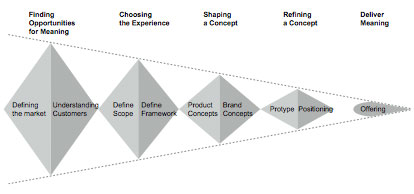
We’ve posted this excerpt as a PDF file. To open the PDF file in your Web browser, click “Meaning.” You can also download the PDF to your machine for later viewing.
To learn how to configure your browser for viewing PDF files, see the Adobe Reader tech support page.
Pages 57-67 from Making Meaning: How Successful Businesses Deliver Meaningful Customer Experiences by Steve Diller, Nathan Shedroff and Darrel Rhea. © 2006, Nathan Shedroff and Cheskin. Used with the permission of Pearson Education, Inc. and New Riders. All rights reserved.
This article was last modified on January 3, 2023
This article was first published on March 24, 2006
Commenting is easier and faster when you're logged in!

Recommended for you

InDesign How-to Video: Create Crop Marks
In this week’s InDesignSecrets video, Erica Gamet demos putting crop marks aroun...

Xerox Scientists Develop MicroText Font
Xerox Corporation (NYSE: XRX) scientists have developed a font so small that you...

Photoshop and Illustrator: June 2020 updates
The June 2020 releases of Adobe Photoshop and Illustrator bring some small but s...