


InDesign Tips: Using Multiple Delimiters for Nested Styles


If you haven’t tapped into the nested styles feature of Adobe InDesign, you’re in for a treat. Nested styles combine paragraph and character formatting into a single sophisticated style that can be applied at the click of a mouse.
A key factor in setting a nested style is choosing what character or text element will trigger the various formats. For example, you can tell InDesign to start with bold text then, when it encounters a period, switch to plain. After one sentence, change the style to italic.
That scenario works fine for predictable lists, but what if you use punctuation other than a period? Can you still apply a nested style? Yes, you can.
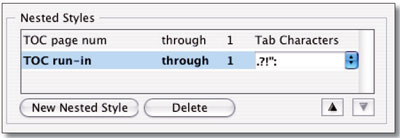
In this tip from Adobe InDesign Evangelist Tim Cole, you’ll learn the hidden secret of using multiple delimiters in InDesign’s nested styles.
We’ve posted this story as a PDF file. All you do is click the link “Using Mutiple Delimeters for Nested Styles” to open the PDF file in your Web browser. You can also download the PDF to your machine for later viewing.
To open the PDF, you’ll need Acrobat Reader or Acrobat.
To learn how to configure your browser for viewing PDF files, see the Adobe Reader tech support page.
This article was last modified on January 10, 2022
This article was first published on January 29, 2005
Commenting is easier and faster when you're logged in!

Recommended for you

Heavy Metal Madness: Put on a Happy Face!
When I met my wife Patty back in the very early ’80s, it made perfect sens...

Finding Duplicate List Entries with GREP
Learn how to use a powerful but undocumented GREP expression to find the same na...

Data Merge Into Inline Anchored Objects So They Flow in a Story
Loic does it again with this free script that performs the impossible!