


The Art of Business: Welcome the E-Magazine


Twenty years ago, the advent of the computer era arrived with the promise of a paperless world. That promise is coming true, in part at least, for a growing number of publications that are offering fully-formatted digital versions of their periodicals. Unlike HTML or PDF versions, these digital publications replicate the experience of paging through a paper copy, and readers have the ability to read each issue just as the magazines appear in print form.
Top digital publication service providers include Texterity, Zinio, Newsstand, and Qmags. While logistics vary from provider to provider, the basics remain the same; you provide your high-resolution PDF, Quark, or InDesign files just as you would to your printer, and the digital service provider turns them into readable, linkable, dynamic files published directly to the Web or readable with a downloadable reader.
The concept offers two potential business opportunities for graphic artists. The first is to work with current print clients to create a second, digital version of their publication to be made available on the Web. The second opportunity lies with potential clients that may have wanted to create a print publication but had declined due to prohibitive printing and distribution costs.
Cost cutter
The obvious benefits of digital publications are savings from reduced or eliminated printing and distribution costs. The typical magazine costs between $.70 and $1.10 per copy for paper, printing, and mailing. Costs for corporate magazines can be much higher since corporations rarely enjoy savings from postal subsidies or quantity production rates.
In contrast, a digital version will cost between $500 and $1000 per issue for the initial set up and from $.20 to $.40 for each unique viewing (one person, unlimited reads). This means, in theory, a company can send out a magazine to an unlimited number of people and pay only for those that open and read the issues.
“While costs savings are appreciable, for most clients the real benefit is extended reach. With digital versions they can reach as many readers as they can identify domestically or internationally,” said Martin Hensel, president of Texterity.
Benefits for readers of digital publications include:
- Instant delivery for immediate reading
- Download for reading offline
- Keyword searchable
- Dynamic links for additional info
- Paperless archiving of back issues
- Easy sharing with friends or colleagues
- Immediate access from anywhere in the world
Once a publication goes digital, the publisher can also get precise feedback about which articles are read and how much time is spent on each article, providing you the ability to tailor future articles to reader interests. Ad tracking tells you which ads are read, and what percentage of readers “click-through” to linked web sites, providing a precise measurement of readership.
Your publication also becomes more interactive; Rather than placing a phone call or faxing a form, readers can immediately sign up for a seminar, obtain a white paper, purchase an item, or click-through for more info.
Right for your clients?
Digital publishing offers a number benefits, but it’s not right for all publications.
“The rule of thumb is if it’s glossy, it’s a good candidate,” said Hensel. “One or two color newsletters can easily be repurposed in HTML for direct viewing via a Web browser. A digital publication, on the other hand, is really designed for those publishers that absolutely care about preserving the look and feel of the original publication.”
You can build it, but will they come?
Market research by Zinio indicates that readers of traditional print magazines are very interested in receiving and reading magazines in digital form. In addition, consumers today own or have easy access to the technologies necessary to enjoy digital magazines. Portable and desktop computers are ubiquitous; computers themselves are more powerful, with large displays capable of displaying high-resolution images; storage capacity is both plentiful and inexpensive; and high speed Internet access is widespread and growing rapidly. As new portable platforms and handheld wireless devices become available, the market demand for digital magazines will grow even faster.
This article was last modified on December 14, 2022
This article was first published on February 14, 2005
Commenting is easier and faster when you're logged in!

Recommended for you
New Contest! The Case of the Weird Wrap
Solve this InDesign mystery for a chance at winning a great prize.
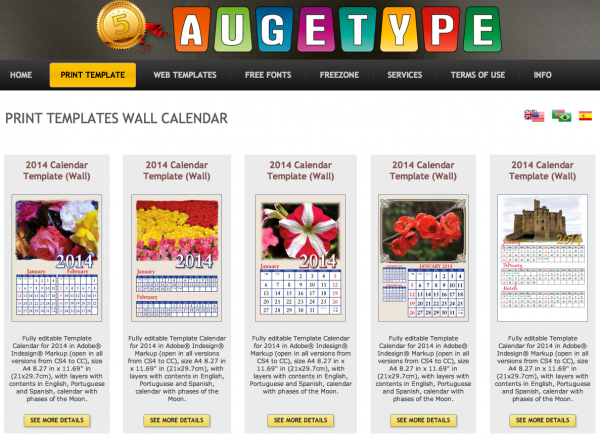
It’s InDesign Calendar Template Time!
A survey of the various options for creating calendars for 2014.

XMPie Releases uMerge
New York, NY, March 12, 2015– XMPie®, a leading provider of software for...