



With Illustrator 9, Adobe introduced some remarkable capabilities for exporting vector files to Photoshop — and brought even more to the table with Illustrator 10. The onslaught of new features in the last two releases of both Illustrator and Photoshop may have obscured these new exporting options so that they snuck right by you. But the net result is that not only is it possible to write out individual Illustrator layers to Photoshop layers, but Illustrator text can also be saved as editable Photoshop type layers.
Considering that these two applications now manage to handle raster and vector artwork like a second language, it makes perfect sense that they share each other’s elements. It occurred to me that many users of these applications might not be aware of the advancements made that allow these two apps to “talk” to one another.
In this article I’ll explain what’s needed to achieve editable layers in Photoshop from your Illustrator artwork and call out some of the pitfalls to look for along the way. There is one thing to note before we get underway: Although this discussion relates to the most recent versions of Illustrator and Photoshop (10 and 7, respectively), these capabilities originally found their way into Illustrator 9 and Photoshop 6 and should be relevant to users of these versions as well.
Exploring the Photoshop Export Dialog
Illustrator now makes it possible to maintain layers, blend modes, masks, and transparency settings, among other attributes, when exporting to a Photoshop document. This is good news to anyone who would like to start artwork in Illustrator because of the flexible environment and creative tools it provides but who ultimately needs the artwork to end up in Photoshop for final touch-up and bitmap exporting. Although the process of moving your artwork from Illustrator to Photoshop isn’t that difficult, it’s worthwhile to go over the options available to you. Fortunately, Adobe has put all these options in one nice dialog box — the Photoshop Options export dialog (see figure 1).
 Figure 1: This unsuspecting export dialog holds all the power you’ll need to bring artwork over to Photoshop.
Here’s how to get started:
- Begin by having your Illustrator document open and ready for export. The artwork should be organized into appropriate layers and sublayers and, for this demonstration, include transparency with blend mode adjustments. Keep in mind how you wish to later edit the layers when they become Photoshop layers.
- From the main menu of Illustrator, choose File > Export… Then select Photoshop (PSD) from the Format pulldown menu. Click the Export button.
- You’re presented with the Photoshop Options dialog box. Here reside the various options that determine how the exported Photoshop file will end up.Let’s break them down one by one:
- The Color Model pulldown menu defaults to the current color model of the Illustrator document, either RGB or CMYK. You also have the option to select Grayscale from this pulldown. Since exporting across color models can result in unexpected changes, especially when blend modes are involved, I suggest leaving this pulldown in the document’s current color model and converting the exported file in Photoshop instead, if desired.
- The resolution option is straightforward. Here you set what you wish to be the resolution of the Photoshop file. You can decide from one of the presets: Screen (72ppi), Medium (150ppi), High (300ppi) or punch in your own resolution by selecting “Other.” Depending on the speed of your system and what you dial in here, you may be waiting a good bit of time for Illustrator to chug away as it works on rasterizing the file to the exported file. Note that any artwork you’ve previously rasterized in the Illustrator document may end up pixelated if it was permanently rasterized at a lower resolution than what your target resolution is set here.
- The anti-aliasing option decides whether the rasterized artwork will smooth the edges or keep them jagged. Except for rare cases, you most likely want to keep this option enabled.Up to this point, all of these options relate to purely rasterizing your Illustrator artwork and to be quite honest, all this is possible by simply opening your Illustrator document within Photoshop. Now let’s get into the options that really make this dialog worthwhile: writing layers and text out to Photoshop (see figure 2).
 Figure 2: Here’s my artwork in Illustrator. Later we’ll see how it turns out in Photoshop.
This article was last modified on March 13, 2022
This article was first published on July 30, 2002
Commenting is easier and faster when you're logged in!Loading comments...
Recommended for you
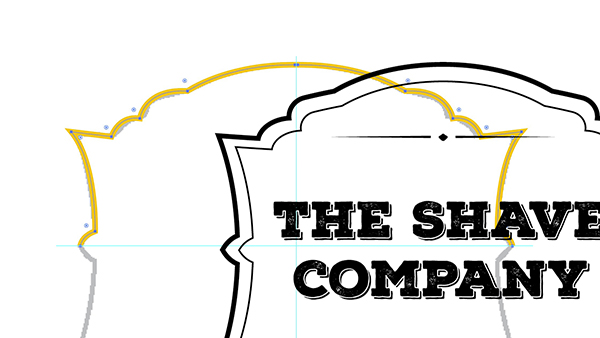
Create a Vintage Logo in Illustrator
Those artisanal logos are all the rage, aren’t they? You know the ones: th...
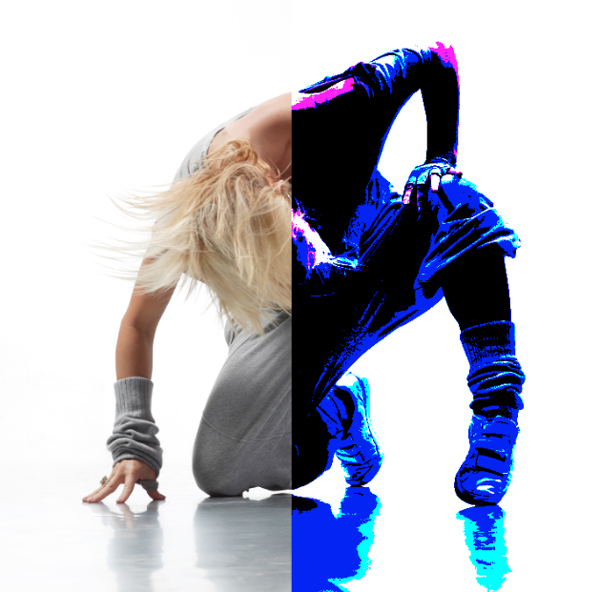
Creating a Blend Mode Test Layer in Photoshop
Blending Modes use a top layer to change the appearance of the layer, or layers...

Scanning Around With Gene: Pay Up, or Else!
I’m at an age in life where my finances should be totally secure, but like...