



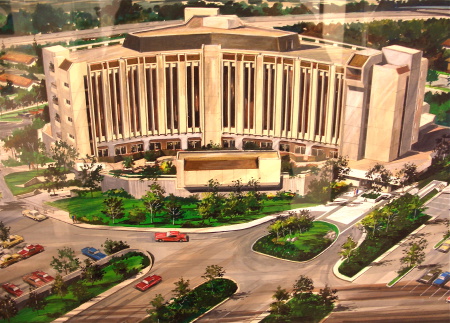
I spent most of this past week in the waiting room of the Kaiser San Jose Hospital looking after an injured relative. And because I was called away from home rather urgently and am staying close to the hospital, I don’t have my trusty scanner, vast library of reference material, or even clean socks with me.
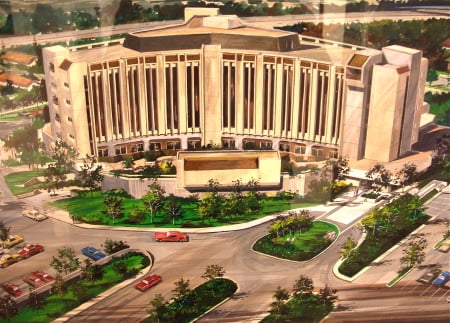
Fortunately, I had a digital camera in my briefcase, so this week’s column is more “photographing around,” than “scanning around.” It also explains the poor quality and the weird perspectives in some of these images, as I used a cafeteria table and bad fluorescent lighting to make them. Here’s the lobby drawing of the hospital in better days, which were certainly before it was even built. Nothing ever seems to live up to an architect’s drawing.
When you first arrive at a hospital under any conditions, you tend to the business at hand and hardly notice the surroundings. But most hospital visits, whether as a patient or a loved one, deteriorate into vast periods of mind-numbing boredom interrupted only by harrowing life-and-death reports or procedures. It’s a roller-coaster ride, and if you leave for even five minutes to grab your iPod or run to Burger King, you can be sure that will be the moment some critical development transpires.
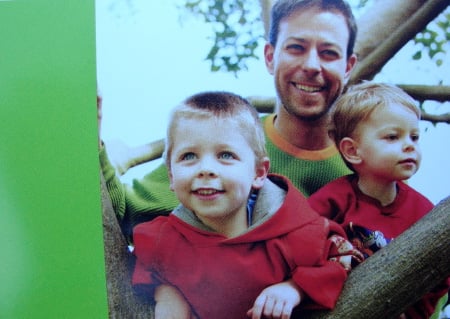
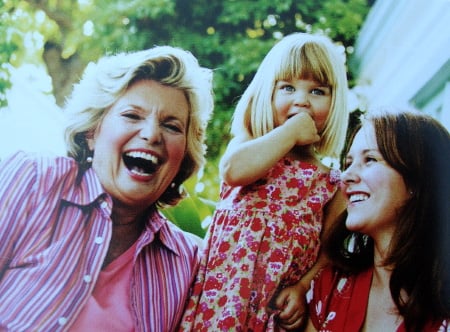
The Kaiser medical system is a big one that puts a lot of effort into its own image and branding. So the Kaiser-specific material throughout the hospital is very positive, well designed and well produced. Everyone pictured in it is smiling and enjoying quality time with family members, which I suppose is better than showing a bunch of sick people, many of whom will never get well.

When I know I’ll be at a hospital for more than an hour or so, the first thing I scope out is the cafeteria or vending-machine area, where I’ll likely be spending a great deal of time and way too many quarters. Vending machines and their contents haven’t changed much over the decades, only now any snack item that has even a small percentage of real ingredients in it is labeled a “healthy choice.” The Cup-O-Noodles and Sweet ‘N’ Low apparently don’t qualify.
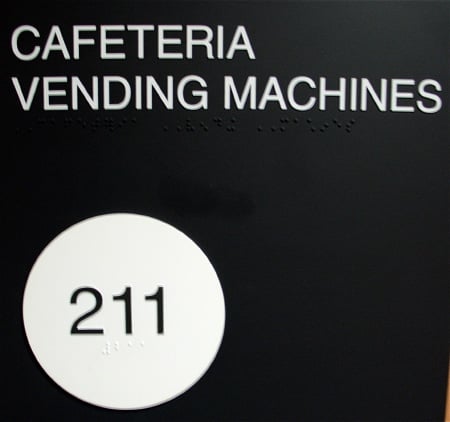
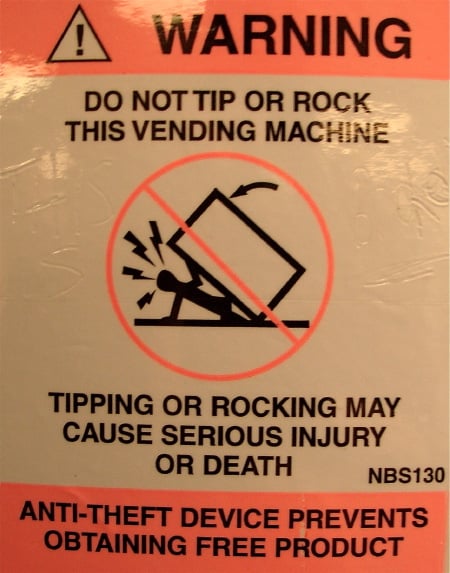
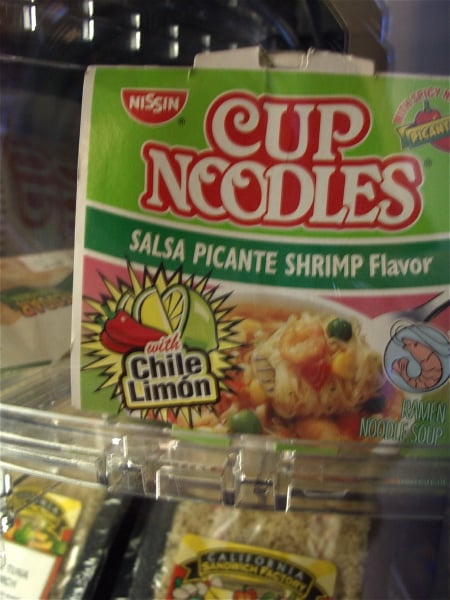
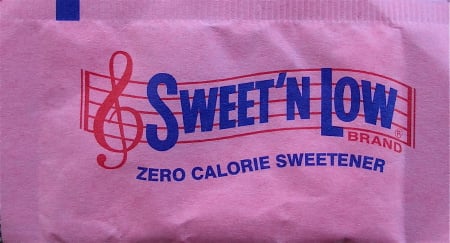
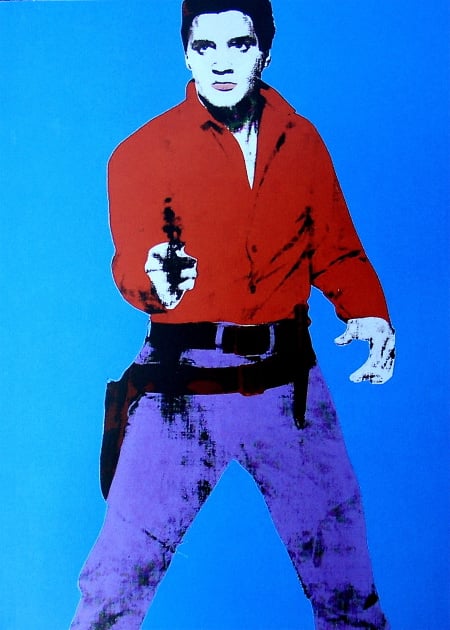
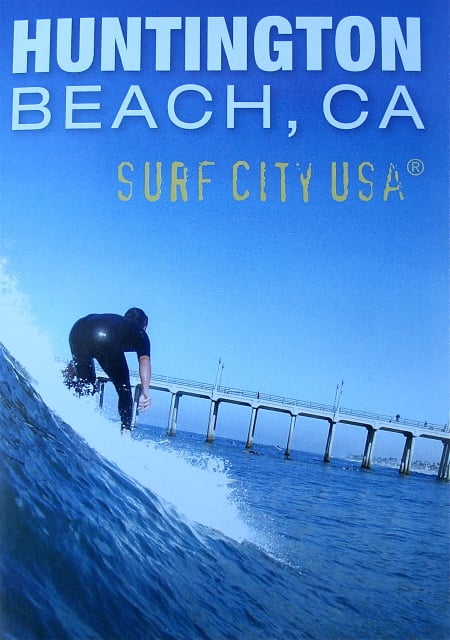
Even though Kaiser has a lot of nice original (and soothing) artwork on the corridor walls, I was a little surprised to see an Andy Warhol in the hallway next to the vending machines. In this case it was one of many travel brochures in one of those over-stuffed racks of the sort you see in motel lobbies. Apparently there is a Warhol exhibit going on in San Francisco. Or, if so inclined when you leave the hospital, you can head south to Huntington Beach instead, or cross the Bay and hit up one of the many Indian casinos in the area.

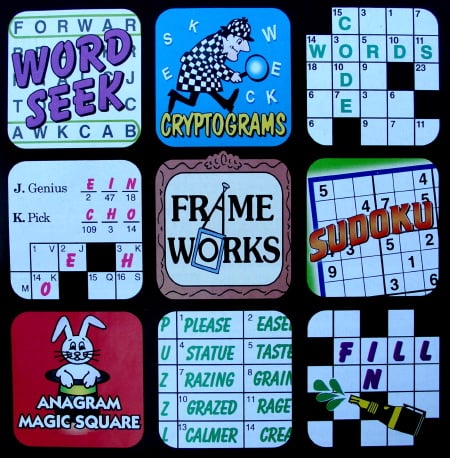
And as soon as it opened I immediately checked out the gift shop in hopes of finding magazines, CDs, or maybe even a DVD I could watch on my computer. But no, they had, instead, about 200 varieties of nauseating stuffed bears holding inspirational messages, and a large section of pink and blue items you could snag on your way up to see that new baby. I was glad to see that the tradition of giving out cigars is not completely dead, even if they are now made of bubble gum. I settled on a puzzle book, although I hate puzzles and can’t ever find all the words to circle.

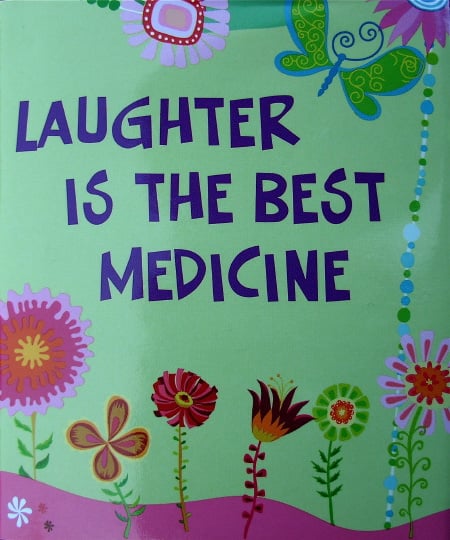
In addition to the fuzzy bears, there were a few small books, also of the inspiration variety. Here, from a pocket-sized edition, are all kinds of reasons why you should look at your hospital stay or recent life-threatening experience humorously. There’s nothing like a pithy Erma Bombeck quote to lighten up the moment.
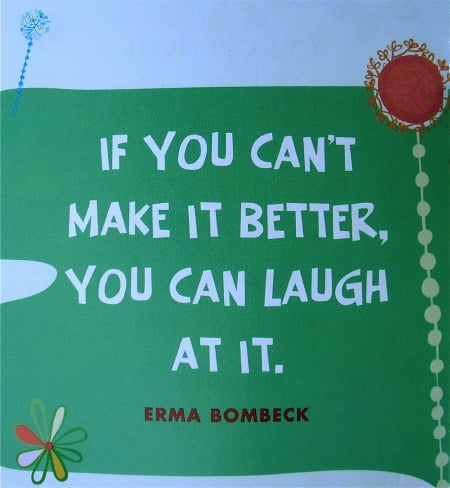
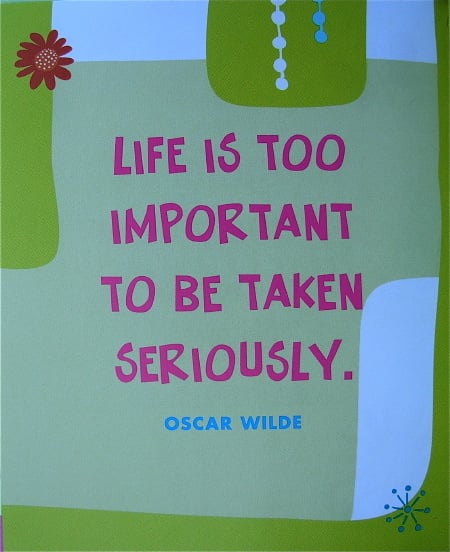
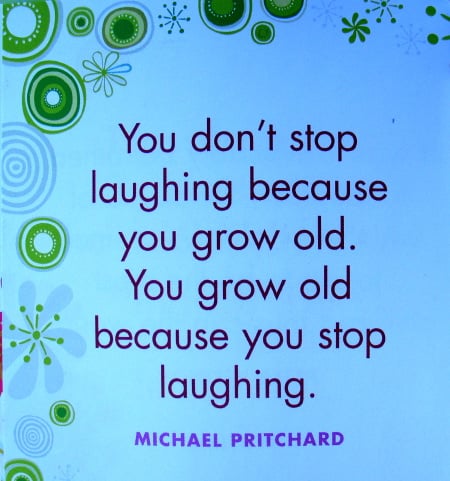
Most of the reading material around the hospital is from a publishing company called Krames, which supplies generic medical information pamphlets to institutions like Kaiser. I boned up on just about every major disease or injury likely to bring you to such a place. They all followed the same format.
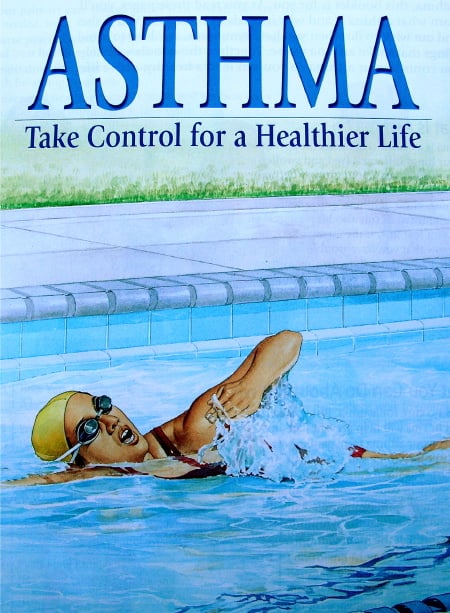
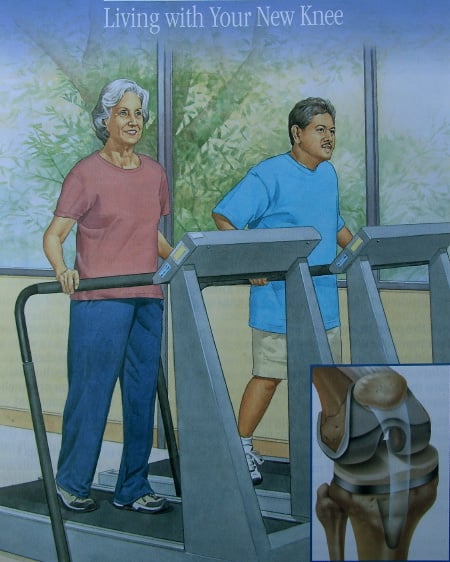
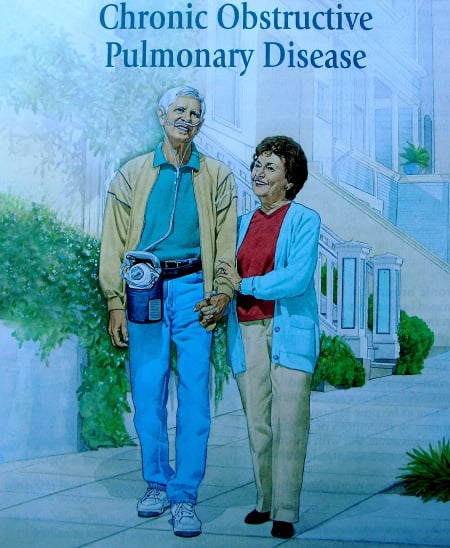
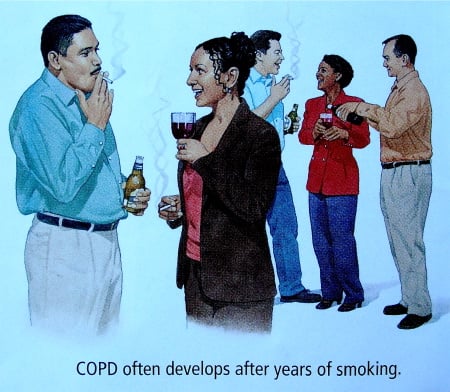
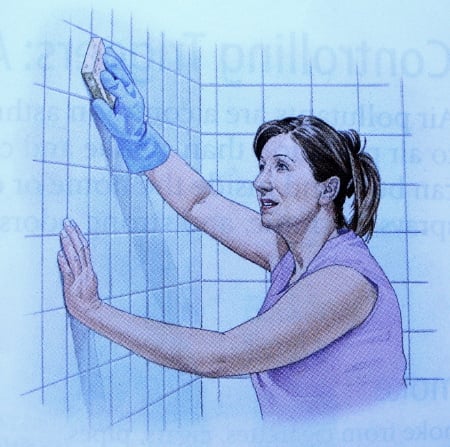
First, there’s introductory material on the particular condition, including why you may have gotten it. In the cases below, one is from smoking (which is curiously pictured along with drinking) and the other from mold growing in a dirty shower.
What happens next? Go to page 2 to find out.
This article was last modified on May 17, 2023
This article was first published on February 20, 2009
Commenting is easier and faster when you're logged in!

Recommended for you
Scanning Around With Gene: The Art of Scripophily
I recently came across a terrific book on eBay called The Art of the Market: Two...
Russian Constructivism and Graphic Design
Russian Constructivism was an artistic philosophy with a distinct design style t...

Main Actor 3.53 Review
This is a unique DV and analog video editor that is available on both Windows an...