


I was saving this topic for the summer months, but the president-elect’s recent vacation on Oahu reminded me that in some states, the sun shines even in winter. Daughter Sasha Obama’s “sassy pink sunglasses” (as the media called them) made me think about my family vacations when I was a kid. Though we didn’t have Secret Service protection or a press plane following us, most of our vacations were preceded by a visit to Thrifty Drugstore to buy new sunglasses. Choosing your own pair of sunglasses is one of the earliest fashion statements we can make when we’re kids — it can be our introduction to how we use our faces, and particularly our eyes, to communicate.
Click on any image for a larger version.

Like most fashion accessories, sunglasses have their roots in practicality, though oddly not to protect the eyes from the sun. Legends say that Roman emperor Nero preferred to watch gladiator fighting through emeralds. More certain is the twelfth-century practice of Chinese judges, who wore smoke-tinted glasses in court to hide facial expressions during witness questioning. Indeed, much of the early documentation of “sunglass” wearing is about hiding the eyes rather than protecting them.
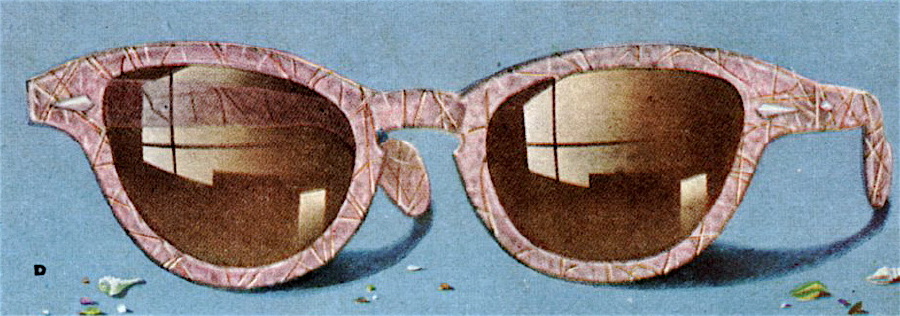


By the mid-1700s, scientists were experimenting with colored lenses to correct vision impairments, and by the early 1900s it was common for syphilis patients to receive amber- or yellow-tinted lenses to counter increased sensitivity to light.

One interesting sunglass tradition has different origins than you might think. Early film stars began wearing tinted glasses not to create privacy, but to hide eyes made red by extremely bright arc lighting.
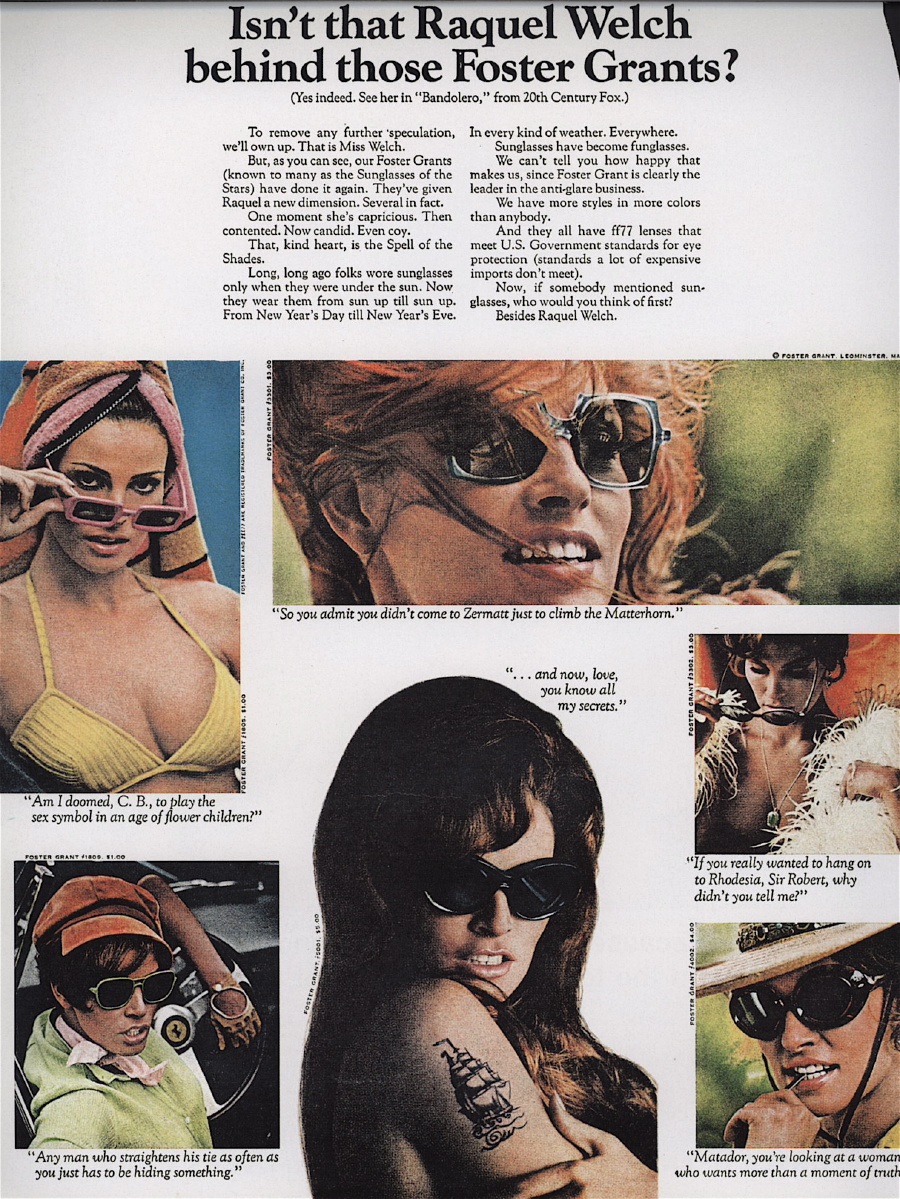
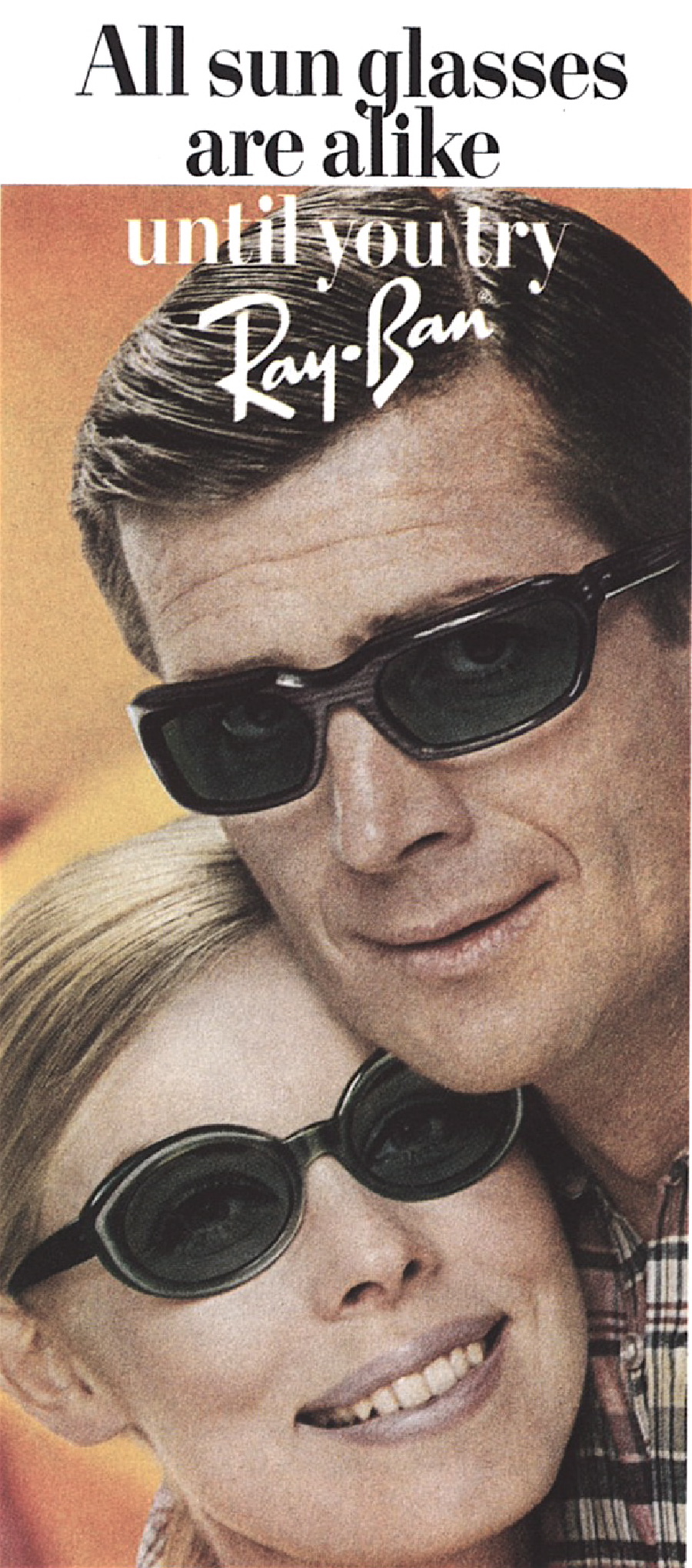
Eventually, fashion statement and eye protection came together in a form inexpensive enough to bring sunglasses into the mainstream. The credit for that goes to Sam Foster, who began selling inexpensive sunglasses under the brand Foster Grant on the beaches of Atlantic City in 1929.
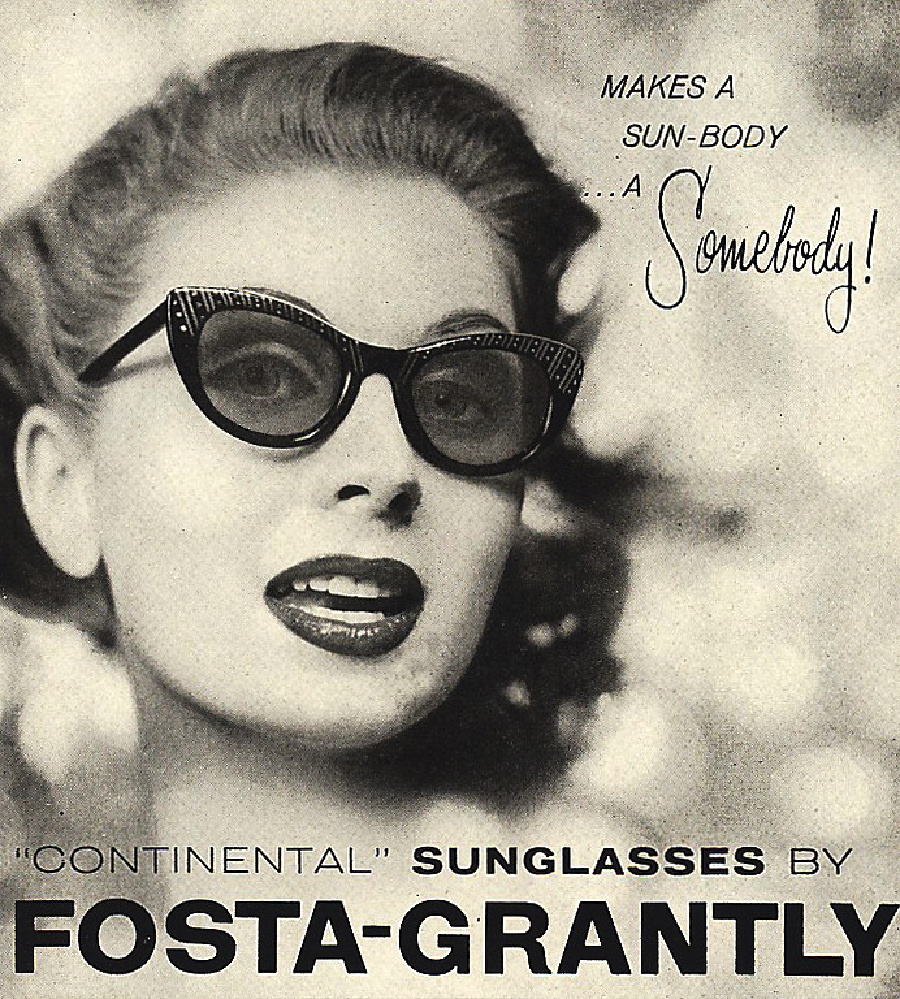
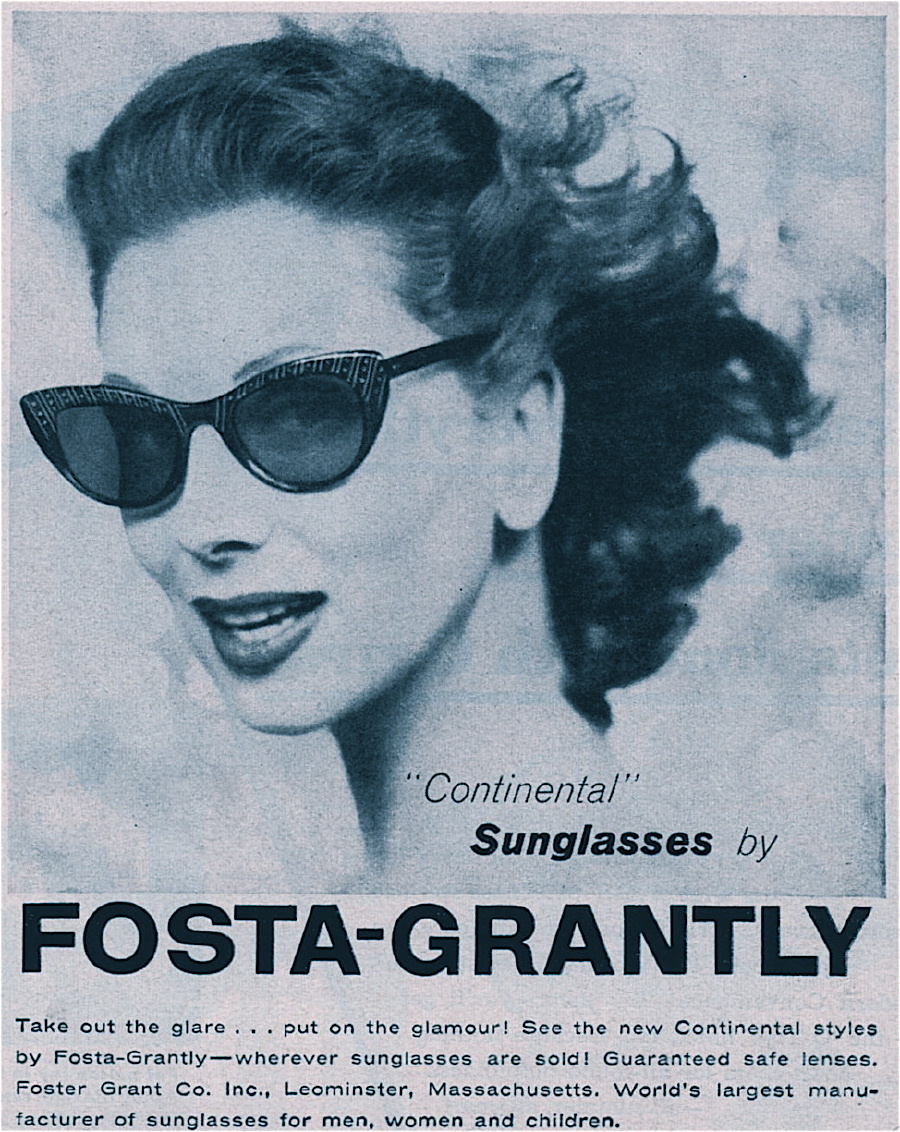
Soon everyone was wearing sunglasses. Blind people wore them to make conversation more comfortable for sighted people; law enforcement found the anonymity and disconnect of shades a useful tool; and sunglasses even provided cover for eyes altered by drugs.


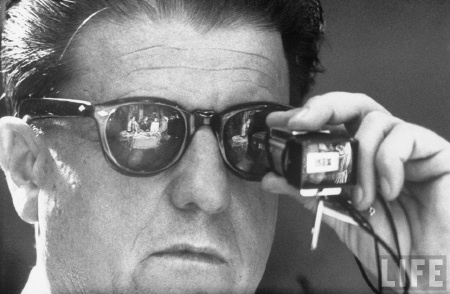
I found a great bunch of sunglass images in Life magazine. First, from 1938, are two Alfred Eisenstaedt shots of Carole Lombard and Marlene Dietrich, both showing their trend-setting fashion sense. Next is a 1958 Ralph Crane photograph of film director George Stevens studying a shot for the filming of “The Diary of Anne Frank.” And last, a 1960 Stan Wayman image of model June Pickney sporting a leopard fur coat and matching sunglasses.


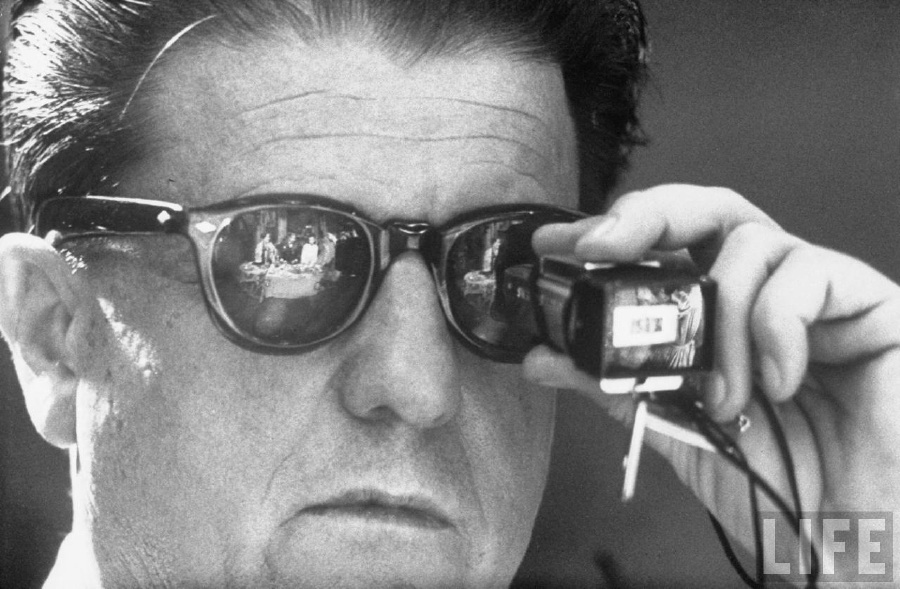

When I started wearing real glasses at about age nine, I began a love-hate relationship with clip-on sunglasses. It’s very difficult to look fashionable, hip, or sassy wearing clip-on shades, especially if they flip up, a feature I thought was very practical.
In the late 1970s, sunglasses went high-end when brands like Vuarnet and Revo moved from the ski slopes to mainstream. Suddenly, spending $100 for a pair of sunglasses seemed reasonable, even though the typical Foster Grant variety were cheap enough to be considered disposable. I haven’t bought a pair of sunglasses in a long time, but I suspect $100 doesn’t buy much anymore.


I still like the traditional styles, such as those from Ray Ban, and I can’t stand those new wrap-around sport glasses from Oakley, Bollé, and similar brands.
When a former employee of mine joined the Secret Service, I asked whether the sunglasses were “company” issued or if he got to choose his own. At least at that time, Secret Service agents chose their own sunglasses. The point of wearing shades on the job, he reminded me, was not to make a fashion statement, but to be able to scan a crowd without anyone knowing exactly where you’re looking.
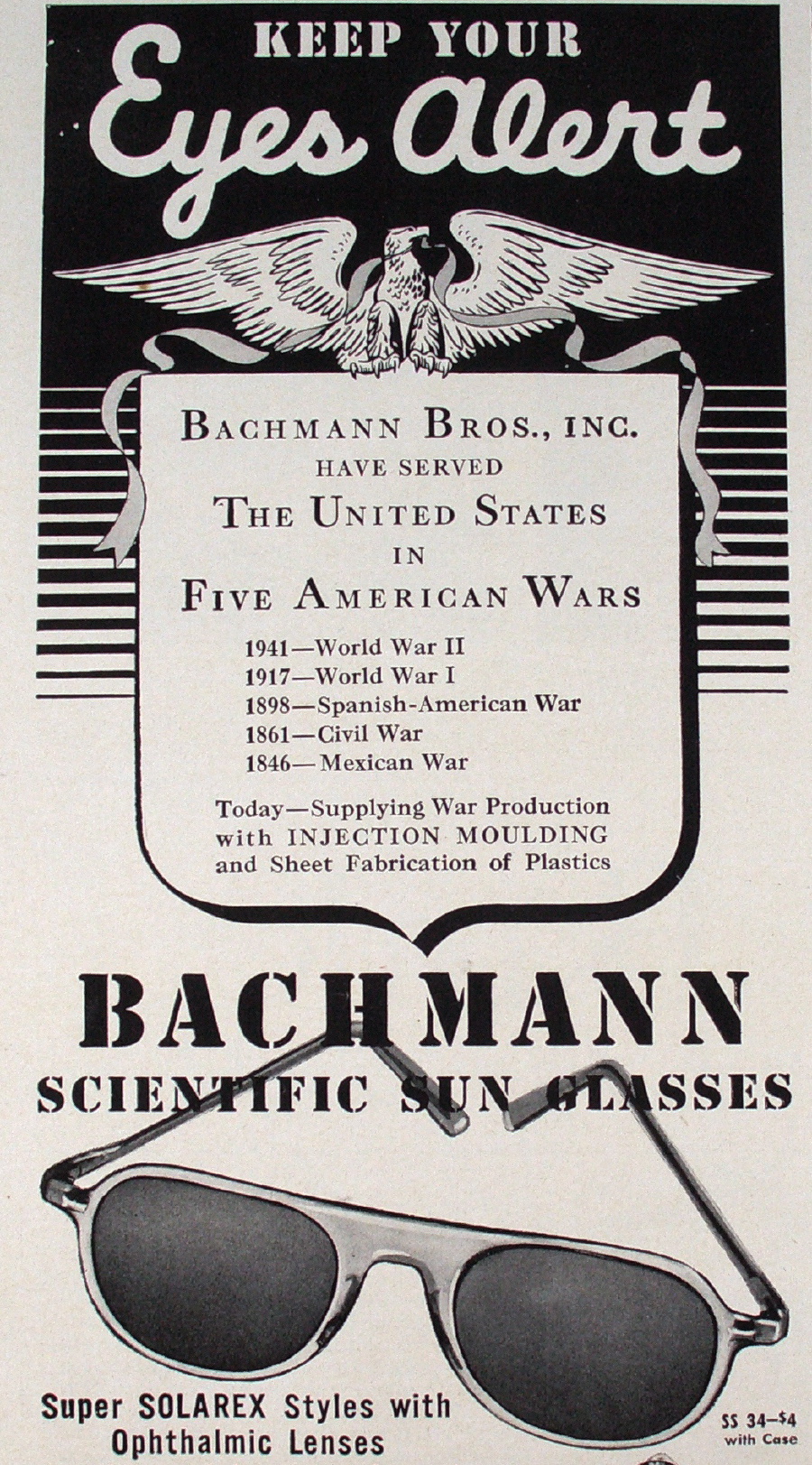
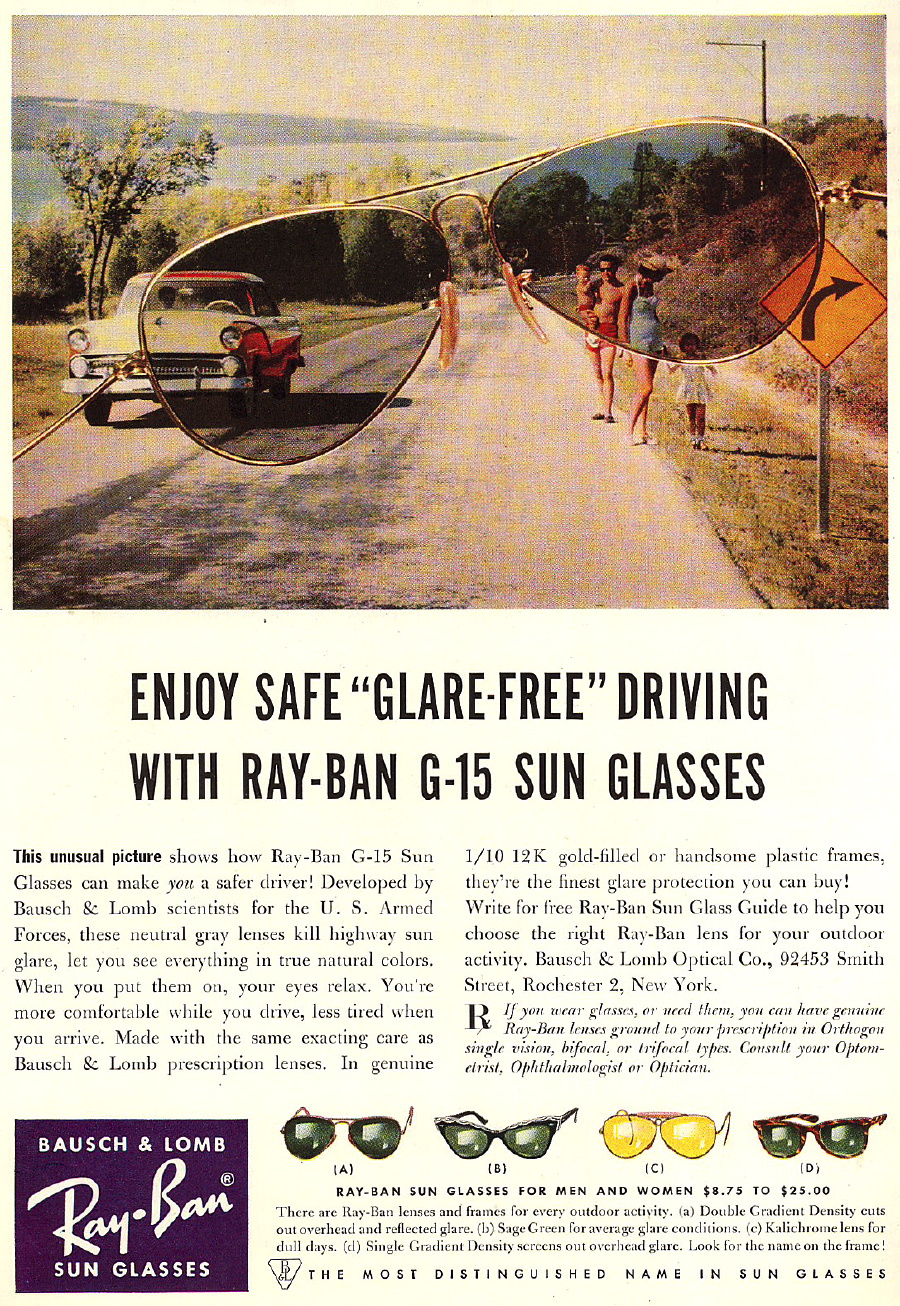
Our culture emphasizes eye contact, so wearing sunglasses indoors or at night makes a bold statement that tends to annoy others. It makes me a bit uncomfortable to talk to someone wearing sunglasses. I imagine them staring directly at me in a way that would be unnerving if I could see it.


I don’t know if Sasha Obama’s pink sunglasses really qualify as “sassy.” But I suspect most seven-year-olds have a much wider variety of styles to choose from than I did, and are prone to influence from young celebrities. When I was seven, the child celebrities were Luke, the older kid on Flipper, Billy Mummy on Lost in Space, and the Nelson kids. I don’t remember any of them wearing sunglasses, and if they did, I suspect they bought them at Thrifty Drug, just like the rest of us.
This article was last modified on May 18, 2023
This article was first published on January 2, 2009
Commenting is easier and faster when you're logged in!

Recommended for you

Text Shadows in Fixed-Layout EPUB
Want text shadows to appear in an EPUB exported from InDesign? You need to know...
Breaking The Rules of Typography
By purposefully and intelligently breaking the rules of good typography, you can...

InDesign Template: Storyboard
This template is for creating storyboards. Storyboards are most commonly used in...